Stone library / Carbonate, sulfide & phosphate / Buying guide
Apatite Buying Guide: Color, Treatments, and Care
Apatite offers some of the brightest blue and green colors in the gem trade, with a durability profile that asks for restraint. It is a phosphate mineral at about Mohs 5, often brittle, and better suited to protected settings than to daily rings.
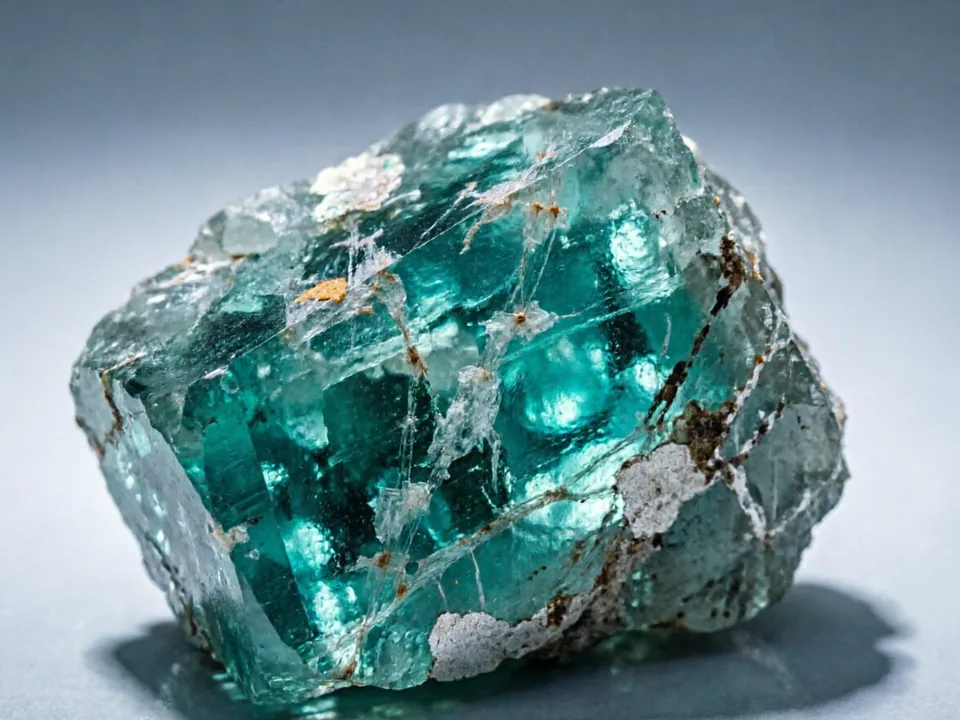
Apatite at a glance
| Property | What it means for a buyer |
|---|---|
| Material | Calcium phosphate mineral, commonly blue, green, yellow, or purple |
| Hardness | About Mohs 5; softer than quartz and easy to abrade |
| Toughness | Often brittle, with poor cleavage; chips and cracks are a real risk |
| Chemical sensitivity | Phosphate material is attacked by acids; avoid acidic cleaners |
| Common treatments | Often sold untreated; heat or dye may still appear, so ask |
| Best jewelry use | Pendants, earrings, and protected cabochons rather than exposed rings |
Color and the neon claim
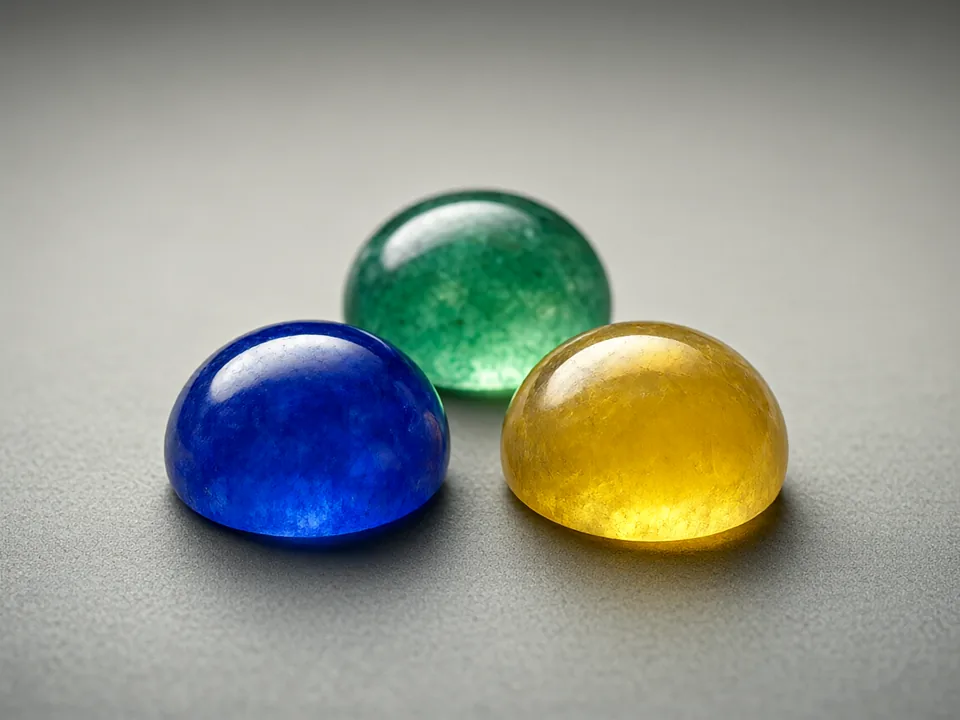
Blue apatite from Madagascar and Brazil is valued for a saturated blue that can look almost electric. Green, yellow, and purple material also occurs. Terms such as neon or paraiba-like describe appearance, not a species, origin, or treatment status.
Color can be uneven, and some stones show a cat's-eye effect when cut as cabochons. Compare the actual piece in neutral light and ask whether the color is natural.
Treatments and disclosure
Much apatite is sold without heat treatment, but that is not a guarantee for every piece. Dye, coating, and fracture filling may appear in lower-cost material. Ask directly, and treat a vague natural claim as incomplete rather than reassuring.
How to spot fakes and mislabels
- Blue apatite sold as tourmaline or another more expensive species.
- Bright, uniform color at a low price with no treatment statement.
- Glass or synthetic material presented with a vague mineral name.
- Thin, exposed edges described as suitable for everyday rings.
- No mention of fractures or repairs on a brittle stone.
Care boundary
Wipe with a soft, slightly damp cloth and dry promptly. Avoid ultrasonic and steam cleaning, acids, vinegar, citrus, chlorine, perfume, and household cleaners. Protect the stone from knocks and store it separately from harder materials.
Read hardness and toughness and gemstone hardness explained before choosing apatite for a ring.
Buying questions
- Is this natural apatite, and what is the basis for the identification?
- Has it been heated, dyed, coated, or filled?
- Are there fractures, chips, or weak edges?
- Is the setting protective enough for the intended wear?
- Can I see the actual piece in neutral light from several angles?
- What cleaning method is approved for this stone?
- What are the return terms if an independent check disagrees?
Specific sources
- GIA: Apatite — material and care context.
- GIA Gem Encyclopedia — phosphate gem reference.
- CIBJO industry standards and resources — disclosure framework.
Last reviewed: 2026-11-05. This guide cannot identify apatite or a treatment from a photograph.