Stone library / Microcrystalline quartz
Chalcedony
A Chalcedony guide covering microcrystalline quartz, color varieties, dyeing, carving, everyday jewelry, and practical care.
1. Identity and definition
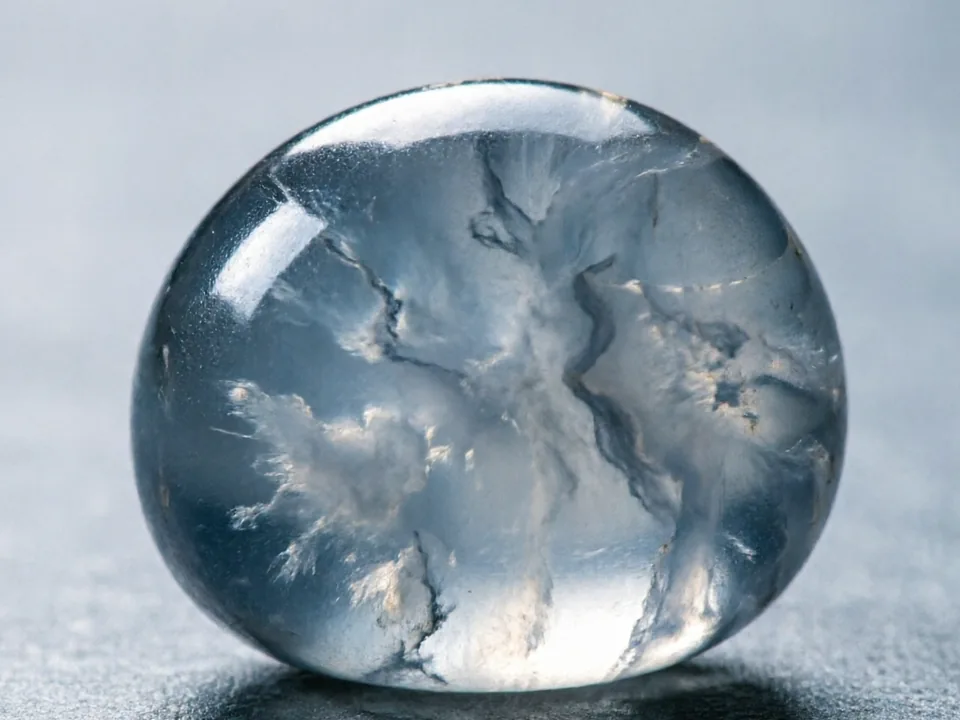
Chalcedony is a microcrystalline or cryptocrystalline form of quartz, composed primarily of silicon dioxide. Names such as agate, jasper, carnelian, and chrysoprase describe varieties or related market categories.
2. Composition and color
It can be translucent to opaque with a waxy luster. Blue, gray, white, yellow, orange, red, and green varieties occur, with color related to trace elements, inclusions, and treatments.
3. Sources and geological setting
Chalcedony forms in cavities, veins, volcanic rocks, sedimentary environments, and weathered zones. Brazil, Uruguay, India, Australia, Taiwan, and China are sources for different varieties.
4. Treatment and natural status
Dyeing, heating, waxing, bleaching, filling, and coatings are common market considerations. Strong uniform color should prompt a question about treatment rather than an assumption of rarity.
5. Cutting and jewelry use
Its even texture supports cabochons, beads, cameos, carvings, and simple faceting. It is practical for pendants, earrings, and many rings, but thin edges and treated surfaces still need protection.
6. Meaning and emotional context
Blue and green chalcedony are often associated with communication, calm, or prosperity in crystal traditions. These are cultural meanings and not proven effects on relationships, health, or income.
7. Market context and value
Value depends on variety, color, translucency, pattern, treatment, size, carving, origin, and polish. Compare natural and treated materials separately.
8. Astrology, folklore, and care
Chakra, star-sign, and luck associations vary across traditions. Quartz hardness is around 6.5 to 7. Use a soft cloth and mild soapy water, and avoid hard impact, prolonged high heat, harsh chemicals, and unverified steam cleaning.
Use this guide as a starting point
For a costly or disputed stone, ask for species, treatment, and origin information in writing. An independent laboratory report is stronger evidence than a marketing phrase.
Return to the stone libraryEducational guide only, not a gemological identification report. See our method and care guides.