Material guide · Tarnish risk
Gold Plated vs Gold Filled vs Vermeil: Material, Wear, and Value
Short answer: if you want the safest budget buy, I’d start with gold filled. If you want the prettiest finish under $100, vermeil can be great. If the listing only says “gold plated” and hides the base metal, I would be careful.
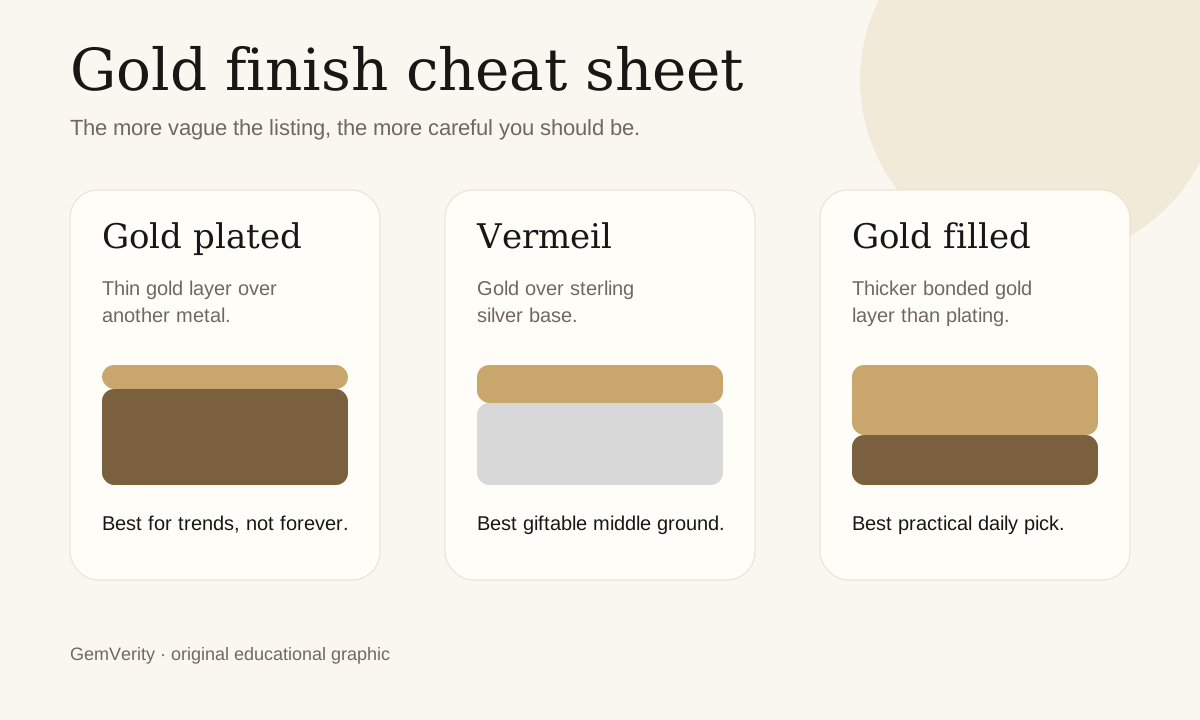
Quick buying answer
Compare the base metal, gold-layer construction, thickness claims, exposure to water and friction, skin tolerance, and return policy instead of relying on the finish name alone.
Verification rule: Check the exact material disclosure, seller terms, condition, and return policy before treating a product claim as evidence.
The quick difference
The labels describe different constructions, not a guaranteed lifespan. Wear depends on layer thickness, base metal, friction, sweat, water, cleaning, and whether the seller discloses enough detail to verify the claim.
| Type | What it usually means | Best for | My caution |
|---|---|---|---|
| Gold plated | A gold coating over another metal; construction and thickness vary | Trend pieces and occasional wear | Ask for the base metal and care limits |
| Gold vermeil | Gold over sterling silver; legal definitions vary by market | Buyers who prefer a precious-metal base | Still a surface finish; verify thickness and fineness claims |
| Gold filled | A mechanically bonded gold layer over a base-metal core | Frequent wear when construction is clearly disclosed | Not solid gold and not immune to wear |
If you hate tarnish, start here
My simple rule: the more vague the listing, the more likely I am to skip it. “18K gold color” is not the same as 18K gold. “Gold tone” tells you almost nothing. “Gold plated brass” is more honest, but it also tells you what to expect: pretty at first, not always forgiving later.
Gold filled is often the first filter for frequent wear because it generally uses substantially more gold than ordinary electroplating. It is not magic: perfume, sweat, pools, abrasion, and aggressive polishing can still shorten its life. Treat the construction claim as useful only when the seller identifies the material and offers realistic care instructions.
Where vermeil fits
Vermeil is the middle child that can be genuinely good. Its defining advantage is a sterling-silver base rather than an undisclosed base metal. That can make the construction easier to evaluate, but it does not guarantee comfort or durability; the gold fineness, layer thickness, post material, and individual skin tolerance still matter.
The catch is that many shoppers treat vermeil like solid gold. It is not. I would not sleep in it, shower in it, or throw it into a makeup bag with keys and coins. If you want it to last, treat it like a nice sweater, not a gym hoodie.
When gold plated is still okay
I do not think gold plated jewelry is automatically bad. It can be the right choice for a wedding guest outfit, a trend you only want for one season, or a piece you will wear once a week.
But I would avoid it for sensitive ears unless the post material is clearly stated. A cute hoop is not cute after twenty minutes of itching.
Which one lasts longest?
With comparable care, a well-made gold-filled piece will usually outlast thin standard plating. Vermeil can also wear well, but its useful life depends heavily on the gold layer and friction points. No finish name predicts an exact number of months or years, so be skeptical of lifetime claims that omit construction details.
What to verify in a product listing
| Listing detail | Why it matters |
|---|---|
| Base metal | Helps you assess skin contact, discoloration risk, and what may show when the finish wears. |
| Gold fineness and layer claim | Separates a specific construction statement from vague terms such as “gold tone.” |
| Post, clasp, and chain materials | Small components may differ from the decorative surface and often receive the most friction. |
| Water and cleaning guidance | Reveals whether the seller treats the piece as occasional-wear or frequent-wear jewelry. |
| Warranty and return policy | Provides practical recourse if the finish or disclosure does not match expectations. |
Buying rules I use
- If the base metal is hidden, assume it is not sensitive-skin friendly.
- If the product photo is beautiful but the material section is vague, keep scrolling.
- If reviews repeatedly mention “green,” “black,” “itchy,” or “smell,” do not rationalize it.
- If it is a gift, choose vermeil or gold filled over generic gold plated.
- If you want daily wear, budget for fewer pieces and better material clarity.
Now match the material to what you are buying
You know the difference. Here is where to go next, based on what you actually want to buy.
Hypoallergenic hoops under $50
Which materials to trust when your ears react easily.
Read the earring guideStop gold-plated tarnishing
How to make an affordable gold finish last longer.
Read the care guideEveryday necklaces that last
Cheap price, without the cheap look or fast tarnish.
See the picksFrequently asked questions
Is gold filled the same as solid gold?
No. Gold filled has a bonded gold layer over a base-metal core. It can offer better wear than thin plating, but it is not solid gold throughout.
Is vermeil better for sensitive skin?
Vermeil uses sterling silver as its base, which is more informative than an undisclosed base metal. It is not automatically hypoallergenic: confirm the post, clasp, solder, plating, and your own known sensitivities.
Can you shower with gold plated, gold filled, or vermeil jewelry?
Removing all three before showering is the lower-risk habit. Repeated water, cleanser, and friction exposure can shorten the life of a surface finish, even when one construction is more durable than another.
Bottom line
Gold filled is the practical pick. Vermeil is the polished gift pick. Gold plated is the fashion pick. None of them are wrong; the mistake is buying one while expecting the durability of another.
My rule is simple: if the seller will not tell me what is under the gold color, I do not treat it as a bargain. I treat it as a gamble.
Updated: September 2, 2026. See the GemVerity editorial method for how we evaluate material claims.