Care guide
How to Stop Gold-Plated Jewelry from Tarnishing: Care and Limits
Gold-plated jewelry will never behave like solid gold. The realistic goal is to remove the habits that destroy the finish fastest.
Quick buying answer
Gold plating is a thin surface layer. Reduce wear from sweat, water, perfume, friction, and chemicals, but do not expect home care to restore worn plating.
Verification rule: Check the exact material disclosure, seller terms, condition, and return policy before treating a product claim as evidence.
The short version
Keep it dry, keep it separate, and stop wearing it in the four situations that punish plating: showering, gym sweat, perfume/lotion, and rough storage. Most fast tarnish is repeated contact damage, not mystery chemistry.
What actually helps
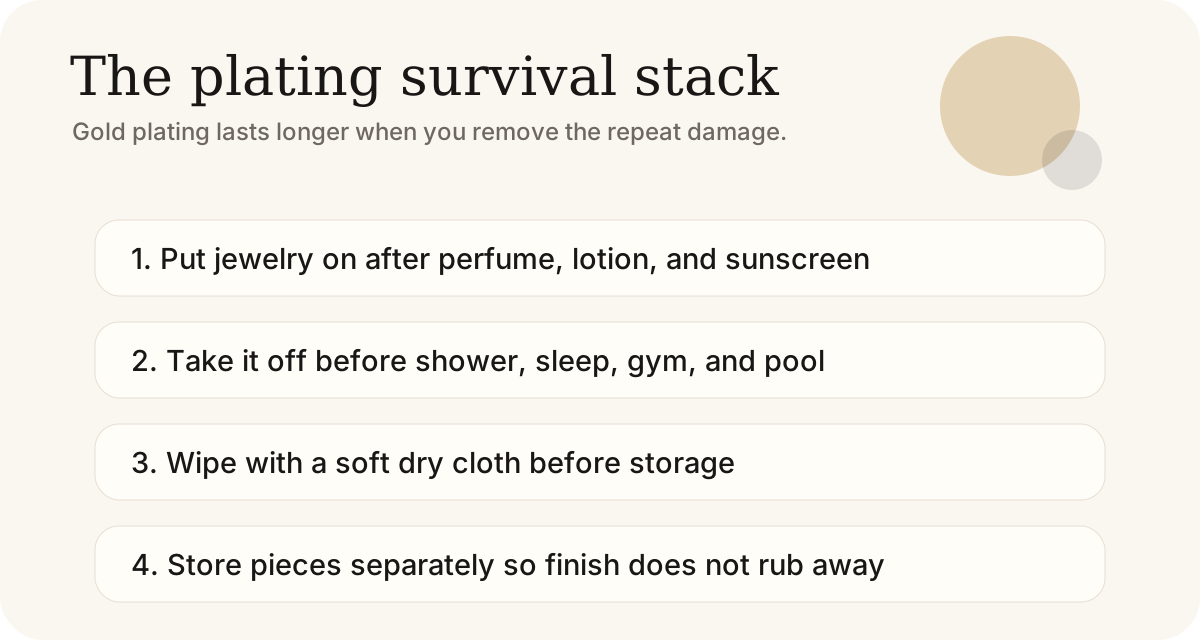
- Put jewelry on after lotion, sunscreen, and perfume have dried.
- Remove it before showering, swimming, sleeping, and sweating heavily.
- Wipe it after wear with a soft dry cloth; do not scrub plated finish aggressively.
- Store chains separately so they do not rub against harder pieces.
- Upgrade to vermeil or gold filled when you want better daily-wear durability.
Care supplies and upgrade options
Soft jewelry polishing cloth
Choose a soft, non-abrasive cloth and use light pressure; aggressive polishing can remove a plated finish.
See gentle-cleaning principlesIndividual zip pouches
Useful for travel and for preventing chain knots, scratches, and finish-on-finish rubbing.
Use the necklace storage checklistGold filled or vermeil pieces
A practical upgrade for readers who are tired of replacing inexpensive plated pieces frequently.
Compare gold finishesMystery “waterproof” jewelry
Waterproof can be real with stainless/PVD, but the word alone is not a material claim.
Use the necklace filterWhat does not help much
A hack cannot save a thin finish from daily friction. If a piece turns fast even when you avoid water, perfume, and sweat, the problem is likely the material choice or plating thickness.
I would also avoid harsh home-cleaning experiments on plated jewelry. The internet likes dramatic before/after tricks; plating needs gentler treatment.
Bottom line
Tarnish prevention is really purchase prevention: buy clearer materials, then protect the finish you paid for. If you want one rule, it is this: plated jewelry should be the last thing you put on and the first thing you take off.
Related buying decisions
If plated-finish care feels too restrictive, compare everyday necklaces, office huggies, and thicker gold-finish options before replacing the piece.
Read necklace guide