Stone library / Chrysoberyl
Cat's-eye Chrysoberyl
What cat's-eye chrysoberyl is, how the moving eye forms, what identification questions matter, and how to wear it.
1. Identity and definition
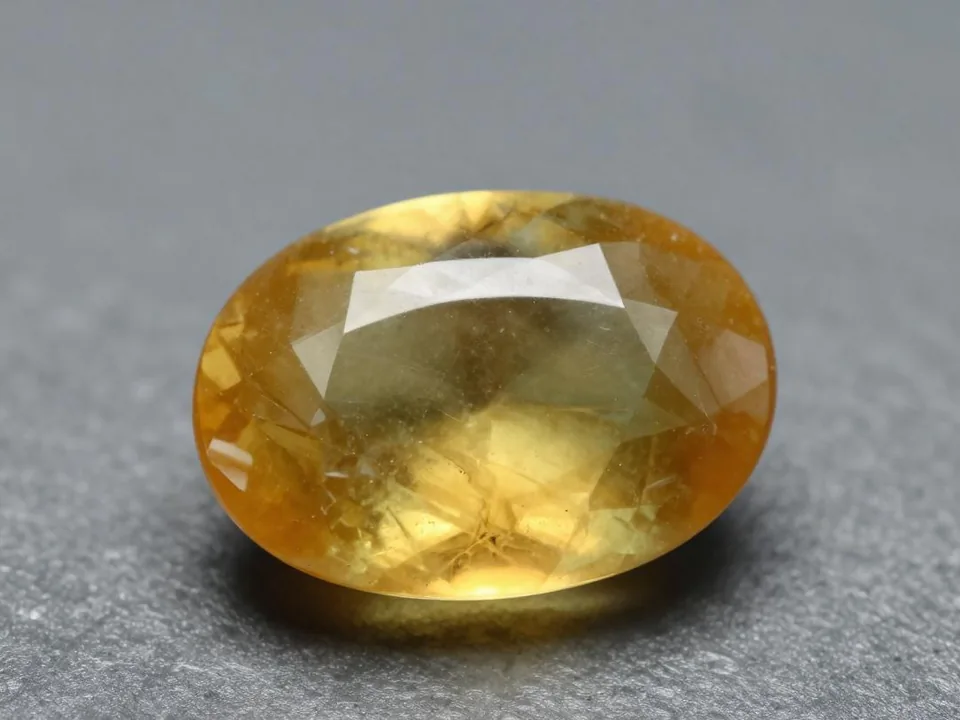
Cat's-eye chrysoberyl is the chatoyant variety of chrysoberyl, with formula BeAl2O4. The bright line is an optical effect created by aligned internal features and a curved cut, not a separate mineral species.
2. Composition and color
Colors range from yellow and yellow-green to brownish yellow and gray-green. Value is influenced by a continuous, bright, centered eye, attractive body color, transparency, size, and the quality of the cabochon.
3. Sources and geological setting
Important sources include Sri Lanka, Brazil, India, Madagascar, and Zimbabwe. It can occur in metamorphic settings and related placer deposits. Source claims should be documented rather than inferred from color.
4. Treatment and natural status
Heat treatment, filling, dyeing, and imitations may occur. A visible eye does not prove natural origin. For an expensive stone, ask for disclosure and consider an independent report covering species, treatment, and identity.
5. Cutting and jewelry use
The rough is oriented and shaped as a cabochon so the aligned inclusions sit beneath the table. Protective settings suit rings and pendants; keep prongs from obscuring the eye and remember that rings receive more impact than pendants.
Chrysoberyl vs alexandrite
Both names describe varieties of the chrysoberyl mineral species, but they answer different buying questions. Alexandrite is identified by a chromium-related color change between light sources; cat's-eye chrysoberyl is identified by a moving band of light across a curved cabochon. A stone may not be both, and a seller should disclose the exact variety rather than using “chrysoberyl” as a shortcut.
For the color-change variety, see the alexandrite guide. For either material, ask for treatment and identity information in writing.
6. Meaning and emotional context
Cat's-eye is traditionally associated with watchfulness, protection, and insight. These are cultural meanings and personal symbolism, not evidence of medical effects or guaranteed protection.
7. Market context and value
Prices vary with eye quality, body color, transparency, size, treatment, report, and provenance. Compare stones with similar eye quality rather than relying on the name alone.
8. Astrology, folklore, and care
Astrology, chakras, lucky-stone lists, and protective or wealth claims are cultural or commercial language. Chrysoberyl is hard, but a cabochon can still chip at an edge. Use a soft cloth and mild soapy water when appropriate, and avoid impact, abrasive cleaners, and unverified ultrasonic or steam cleaning.
Use this guide as a starting point
For a costly or disputed stone, ask for species, treatment, and origin information in writing. An independent laboratory report is stronger evidence than a marketing phrase.
Return to the stone librarySources: GIA Gem Encyclopedia and the GemVerity editorial method. Last reviewed: 2026-08-21. This is an educational guide, not a gemological identification report; see care guides for practical handling questions.