Stone library / Oxide mineral
Spinel
A clear Spinel guide to color, historical identity confusion with ruby, treatment disclosure, jewelry use, and care.
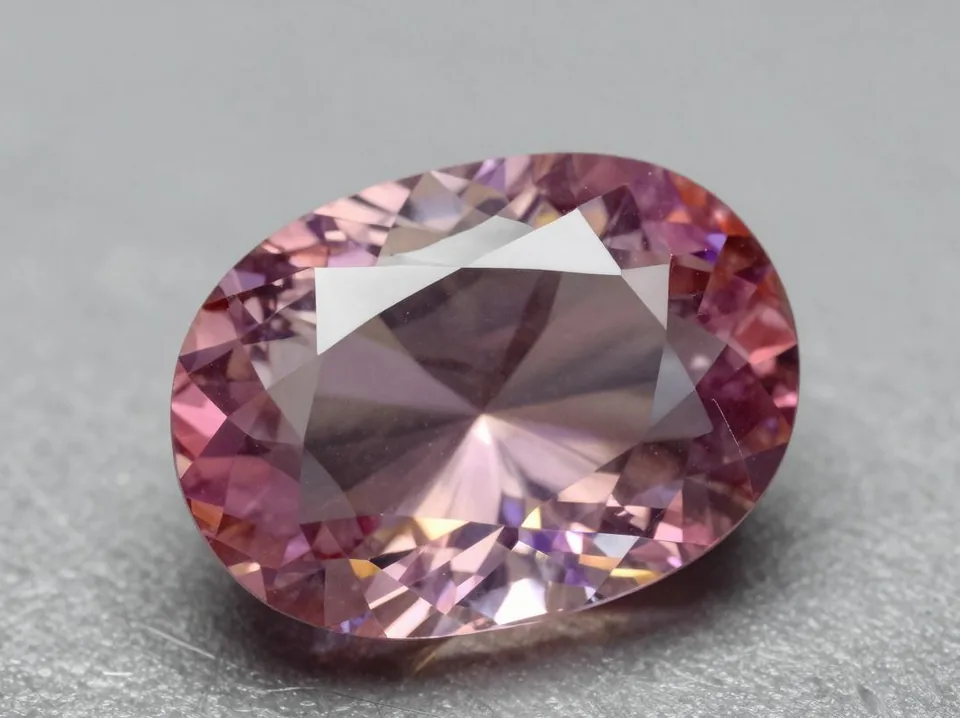
1. Identity and definition
Spinel is a mineral group dominated by magnesium aluminum oxide in gem-quality material. It was historically mistaken for ruby in some famous jewels, but modern testing distinguishes the species.
2. Composition and color
Red, pink, orange, blue, purple, gray, black, and colorless spinel occur. Chromium, iron, cobalt, and other elements influence color. Vivid red and cobalt blue are especially sought after.
3. Sources and geological setting
Important gem sources include Myanmar, Vietnam, Sri Lanka, Tajikistan, Tanzania, and other alluvial or metamorphic regions. Spinel can occur in marble-related rocks and secondary gravel deposits.
4. Treatment and natural status
Some spinel is untreated, but heat treatment and imitations exist. Never infer treatment status from a vivid color. Ask for a written statement when the price or claim is significant.
5. Cutting and jewelry use
With Mohs hardness around 8 and good brilliance, spinel works well in rings, earrings, and pendants. Facet orientation and proportions help show brightness; protective settings are sensible for exposed center stones.
6. Meaning and emotional context
Red and pink spinel are often used to symbolize vitality, affection, or renewal. These associations can be meaningful without implying improved circulation, health, or personal outcomes.
7. Market context and value
Value depends on color, saturation, clarity, size, cut, origin, treatment, and report quality. Exceptional red, cobalt blue, and large clean stones are not automatically inexpensive.
8. Astrology, folklore, and care
Birthstone and star-sign assignments vary by tradition. Chakra, protection, and luck claims are cultural language. Use warm soapy water and a soft brush for suitable stones, and ask before ultrasonic or steam cleaning if fractures or repairs are present.
Use this guide as a starting point
For a costly or disputed stone, ask for species, treatment, and origin information in writing. An independent laboratory report is stronger evidence than a marketing phrase.
Return to the stone librarySources: GIA Spinel reference and the GemVerity editorial method. Last reviewed: 2026-08-06. This is an educational guide, not a gemological identification report; see care guides for practical handling questions.