Stone library / Other Silicate Gemstones / Topaz & Apatite
Topaz
A practical topaz guide to mineral identity, natural and treated color, perfect cleavage, jewelry use, buying questions, and safe care.
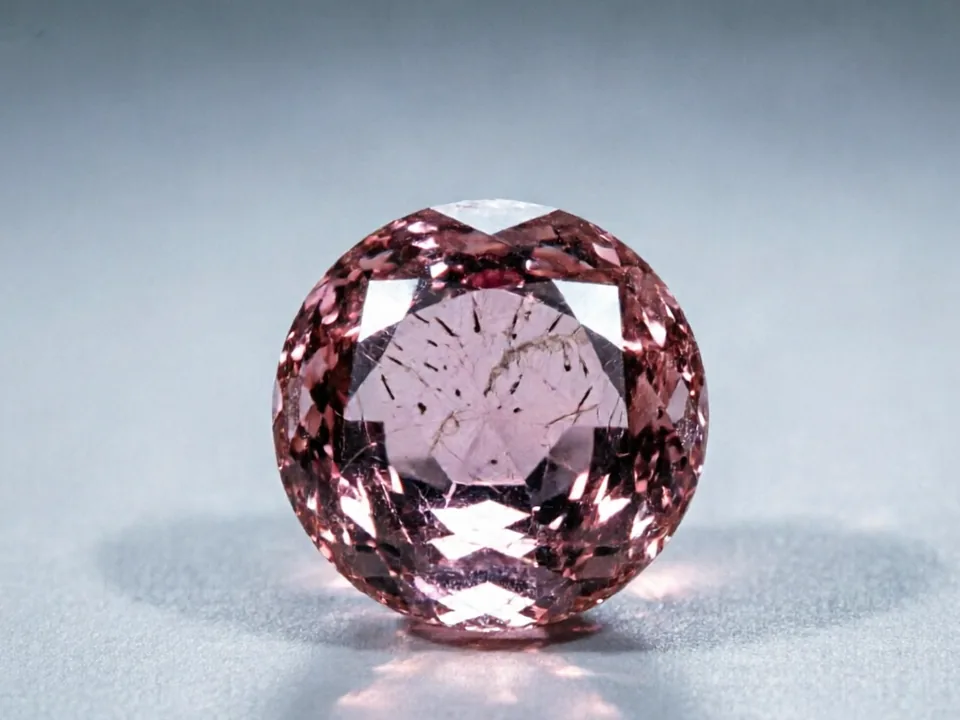
What topaz is
Topaz is an orthorhombic aluminum fluorosilicate with formula Al₂(F,OH)₂SiO₄. The reviewed GIA-based record lists Mohs hardness 8, specific gravity about 3.53, and refractive index about 1.619–1.627. Those properties require instruments to confirm; color alone cannot separate topaz from aquamarine, citrine, glass, or other lookalikes.
Natural color and trade color names
Topaz occurs colorless and in yellow, orange, brown, pink to red, blue, and other pale tones. Terms such as “imperial,” “precious,” “Swiss blue,” or “London blue” are trade descriptions whose use and boundaries can vary. Ask the seller to state the actual color treatment and any laboratory conclusion rather than relying on a prestigious color name.
Irradiation, heat, and coatings
A large share of blue topaz begins as colorless material that is irradiated and then heated. Heat may also modify some pink or orange material. “Mystic” and other iridescent topaz can use a thin surface coating. These accepted treatments should be disclosed because coatings require gentler wear and repair, while treatment status affects comparison and price.
Hardness is not toughness
Topaz has excellent scratch hardness but perfect basal cleavage. A sharp blow, pressure during setting, or abrupt temperature change can split a stone along a cleavage direction. Rings need protective design and sensible wear; earrings and pendants generally face less impact. A chipped corner or cleavage-reaching fracture deserves professional inspection.
Cleaning and repair
Use lukewarm soapy water and a soft cloth or brush. Avoid ultrasonic and steam cleaning, high heat, sudden temperature changes, and hard knocks. Coated stones also need protection from polishing compounds, abrasives, chemical dips, and repair procedures that could remove or damage the surface layer. Tell a jeweler about known treatment before work begins.
Value and buying questions
Color, saturation, tone, clarity, cut, size, treatment, coating condition, craftsmanship, origin documentation, and market demand all affect price. Ask for treatment disclosure, exact dimensions, color description, setting details, return terms, and a report for a significant purchase. A generic price per carat is not meaningful across different colors and treatments.
Meaning and folklore boundaries
Topaz has historical associations with friendship, protection, calm, or clarity. Such traditions can be discussed as culture or personal symbolism, but they are not evidence that topaz treats disease, changes body function, or guarantees emotional or financial outcomes.
Continue the material check
Compare apatite, then review hardness versus toughness and treatment disclosure.
Sources: GIA’s topaz reference, GIA topaz care guidance, the reviewed local Topaz record, and the GemVerity editorial method. Last reviewed: 2026-08-29. This educational guide is not a gemological identification report.