November birthstones / comparison
Citrine vs Topaz: Which November Birthstone Should You Wear?
November has two widely recognized modern birthstones: citrine and topaz. Citrine gives you warm yellow-to-orange quartz with generally straightforward styling and care. Topaz offers a wider color range and greater scratch resistance, but its cleavage makes it less forgiving of a hard knock. Choose citrine for warm color and quartz-based jewelry; choose topaz for cooler blues, pink or golden tones, and a setting that protects the stone.
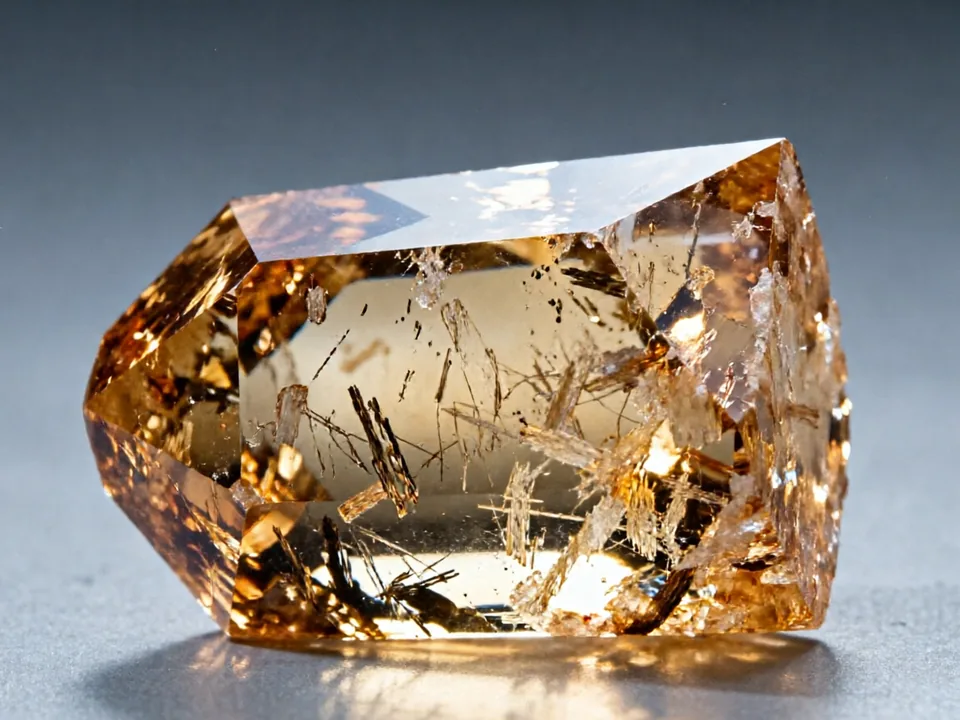
Short answer: citrine or topaz?
Choose citrine if you want a warm golden-orange stone and a quartz piece that is easy to style with autumn neutrals. It rates 7 on the Mohs hardness scale, so it resists ordinary dust reasonably well, but it can still scratch or fracture under impact.
Choose topaz if you want a harder stone, a broader color range, or a blue November birthstone look. Topaz rates 8 for hardness, yet it has basal cleavage and poor toughness. That makes the setting, wear habits, and impact risk more important than the hardness number alone.
Citrine vs topaz at a glance
| Question | Citrine | Topaz |
|---|---|---|
| What is it? | Yellow-to-orange quartz | A separate mineral species with colorless, blue, pink, red, yellow, and brown varieties |
| Mohs hardness | 7 | 8 |
| Main durability concern | Scratching, impact, existing fractures, and abrupt temperature changes | Basal cleavage: a hard blow, pressure, or sudden temperature change may split or break the stone |
| Common treatments | Heat treatment is common, often applied to amethyst or other quartz | Heating, irradiation, and coating are used in different topaz products |
| Best jewelry formats | Pendants, earrings, bracelets, and protected rings | Pendants and earrings first; rings need a protective setting and careful wear |
| Color direction | Golden, honey, amber, orange | Blue, colorless, pink, red, gold, sherry, and brown |
| Main buying question | Is the color natural or heat-treated, and is that disclosed? | Is it natural, heated, irradiated, or coated, and does the setting protect its cleavage? |
The numbers help, but they do not rank one stone as universally better. A harder gemstone is not automatically tougher, and a jewelry decision also depends on the setting, stone size, inclusions, treatment, and how often the piece will meet hard surfaces.
Why November has two birthstones
Birthstone lists differ by era, region, and trade tradition. The widely used modern list names topaz and citrine for November. That does not mean the two stones are variations of the same material. Citrine is a quartz variety; topaz is a different mineral with different crystal structure and durability behavior.
For a gift or personal piece, the useful question is not “which stone is officially correct?” Both can be correct within the modern tradition. The better question is which color, care requirement, setting, and cultural message fit the person who will wear it.
For an illustrated month-by-month reference, use the GemVerity November birthstone entry. It keeps the monthly tradition separate from mineral identity and zodiac systems.
Choose citrine for warm color and easy autumn styling
Citrine carries yellow, honey, amber, and orange tones. The color can look bright against white, calm against cream, rich against chocolate brown, and more graphic against black. A small gold-tone pendant can blend into a warm capsule wardrobe, while a silver setting creates a sharper contrast.
These are styling observations, not rules about which metal is “correct.” Check the actual metal composition, plating, and finish before buying, especially if the piece will be worn daily or by someone with sensitive ears. The gold-plated, gold-filled, and vermeil comparison explains why two gold-colored pieces can have very different care needs.
Outfit ideas for citrine jewelry
- Cream and camel: let a small citrine pendant provide the strongest color note.
- Chocolate brown or olive: choose a warmer, deeper citrine tone for a more tonal look.
- Denim and white: use a clean silver setting or a simple gold chain; keep the rest of the jewelry minimal.
- Black evening outfit: one faceted citrine drop earring or pendant can carry more visual weight than several small pieces.
Citrine is quartz, so it is a practical candidate for earrings, pendants, and bracelets when the setting is sound. A ring can work too, but a raised stone will meet doorframes, desk edges, and cleaning surfaces. Use a protective setting and remove the ring for impact-heavy tasks.
Treatment matters to value and disclosure. Many commercial citrines are heat-treated, often from amethyst or other quartz. A treated stone can be attractive and wearable; the problem is paying an untreated premium without documentation. The guide to natural citrine versus heat-treated amethyst explains the limits of visual screening.
Choose topaz for a wider palette and a harder surface
Topaz is not one color. Blue topaz is familiar in jewelry, but topaz also occurs in colorless, pink, red, yellow, brown, and sherry tones. “Imperial topaz” is a commercial and historical name with inconsistent use; do not assume that every pink or red topaz is imperial, or that a label establishes origin or rarity.
Blue topaz is commonly heated or irradiated to produce or improve color. These treatments are widely used and generally stable in normal wear. Coated topaz, sometimes sold under names such as “mystic topaz,” has a surface layer that can be damaged by abrasion or harsh cleaning. Ask what the specific stone is and how the seller recommends cleaning it.
Outfit ideas for topaz jewelry
- Blue topaz with gray, navy, or denim: create a cool tonal outfit and let silver-tone metal reinforce the direction.
- Pink topaz with cream or burgundy: use one pink stone as a softer accent rather than matching every accessory.
- Golden or sherry topaz with rust, moss, or brown: echo the autumn palette without making the jewelry disappear into the clothing.
- Colorless topaz with a monochrome outfit: treat it as a bright, neutral sparkle and keep the setting modern.
Topaz is harder than citrine, but it is not a good candidate for careless daily ring wear. Its basal cleavage means a sharp blow or pressure in the wrong direction can split the stone, and sudden temperature changes can cause breakage. A bezel or other protective mounting is a more sensible choice than an exposed, high-profile ring.
What citrine and topaz mean in cultural tradition
Citrine is often associated with warmth, sunlight, abundance, or optimism. Topaz is sometimes described through clarity, calm, or strength. These meanings appear in folklore, modern crystal culture, and retail storytelling. They are not scientific properties and should not be used to promise health, wealth, protection, luck, or relationship outcomes.
A useful personal meaning can be much simpler: citrine may represent a November birthday, a favorite autumn color, or a memory connected to the giver. Topaz may represent a cool blue preference, a birth month, or a specific family tradition. The story can add value without pretending the stone controls an outcome.
November birthstone vs Scorpio and Sagittarius stones
Birthstones follow calendar months. Zodiac stones follow astrological signs, and the lists vary. A person born in November can therefore have a November birthstone and a separate zodiac association.
Scorpio season usually runs from late October to late November. Topaz appears in some modern lists of Scorpio stones, while other systems name different stones. Treat that as cultural variation rather than a test with one correct answer.
Sagittarius season begins around November 22. On GemVerity's zodiac stone reference, Sagittarius is paired with turquoise, not topaz or citrine. That does not make one system wrong; it shows why zodiac labels should not be merged with the monthly birthstone list. If you are drawn to the Sagittarius pairing, start with the turquoise buying and care guide.
The practical styling takeaway is to avoid buying several incompatible pieces to satisfy different lists. Choose one stone you actually like, then select a format that fits the wearer's routine.
Which stone is better for a ring, necklace, or earrings?
| Jewelry format | Citrine fit | Topaz fit |
|---|---|---|
| Pendant | Strong fit; protected from most direct impacts | Strong fit; a pendant is usually safer than an exposed ring |
| Earrings | Good fit with secure settings and comfortable weight | Good fit when the stone is not exposed to repeated knocks |
| Bracelet | Possible, but beads and links can strike surfaces | Use extra caution because impact and pressure are the main risks |
| Ring | Possible in a protective setting with sensible care | Choose a protective setting and reserve it for lower-impact wear |
“Best” depends more on construction than on the stone name alone. A pendant with a weak bail, a ring with a tall unprotected edge, or a bracelet with rough metal spacers can create problems even when the center stone is suitable.
Cleaning and care boundaries
For citrine, warm water, mild soap, a soft brush, and a soft cloth are conservative defaults. Avoid steam and sudden heat. Some citrine color can fade with prolonged exposure to intense light, and fracture-filled or dyed material needs more cautious handling. If you do not know the treatment, skip an ultrasonic cleaner and ask before using one.
For topaz, warm soapy water is the safer default. The Gemological Institute of America advises against steam or ultrasonic cleaning for topaz. Avoid sharp impacts, pressure, and sudden temperature changes, especially in rings and bracelets. Coated topaz also needs gentle cleaning because abrasive rubbing can damage the surface layer.
For either stone, rinse and dry around the setting without pulling on prongs. Remove rings and bracelets for moving furniture, gym equipment, gardening, and other impact-heavy work. For an unidentified or assembled crystal piece, start with the least aggressive method.
Buying checklist
- Confirm the material. Citrine is quartz; topaz is a separate mineral. A color name is not a species identification.
- Ask about treatment in writing. Disclose heat, irradiation, coating, dye, filling, or assembly where relevant.
- Judge color in neutral light. Warmer indoor lighting and edited photos can make both stones look more saturated.
- Check the setting. Look for secure prongs, a protected edge, and a design that matches the wearer's daily routine.
- Ask what “imperial” means. Treat the word as a seller claim unless the listing provides specific, verifiable information.
- Verify the metal. “Gold tone,” plated, filled, vermeil, and solid gold are not interchangeable.
- Confirm returns and care instructions. A clear return window matters more than a dramatic origin story.
If you are choosing a gift rather than a stone for yourself, the Gemstone Gift Finder starts with the recipient, occasion, color preference, and budget before narrowing the material. Browse more gemstone gift guides if you are still deciding on the format.
Frequently asked questions
Are citrine and topaz the same stone?
No. Citrine is a yellow-to-orange variety of quartz. Topaz is a separate mineral species that can occur in several colors, including blue, pink, red, yellow, and colorless.
Which is harder, citrine or topaz?
Topaz is harder, with a Mohs hardness of 8 compared with 7 for citrine. Topaz is still vulnerable to breakage because of its cleavage and poor toughness.
Which is better for an everyday ring?
There is no universal winner. Citrine can work in a protected ring but may scratch or fracture, while topaz can chip or split under impact despite being harder. A low-profile setting and careful wear matter more than hardness alone.
Is blue topaz treated?
Blue topaz is commonly heated or irradiated to produce or improve its color. These treatments are widely used and generally stable in normal wear, but the seller should disclose what was done.
What zodiac stone should a November birthday wear?
Zodiac lists vary. Topaz appears in some Scorpio lists, while GemVerity's cultural reference pairs Sagittarius with turquoise. These associations are separate from the modern November birthstones, citrine and topaz.
Choose the stone around the person and the wear routine.
Compare the November options, then use the birthstone and zodiac references as cultural context rather than a guarantee.
Review the November birthstone referenceMineral and care facts were checked against the GIA November birthstone reference, GIA citrine care guidance, and GIA topaz care guidance. This page is educational and does not identify, appraise, or certify a specific stone. Last reviewed: .