Meaning + style / good luck jewelry
Good Luck Jewelry: Stones, Symbols & Outfit Ideas
Start with a symbol you understand, then choose the jewelry part that fits your life. A lucky charm can be a meaningful reminder, a culturally rooted symbol, or simply a beautiful piece with a story. It is not a substitute for a decision, a medical treatment, or a financial plan.
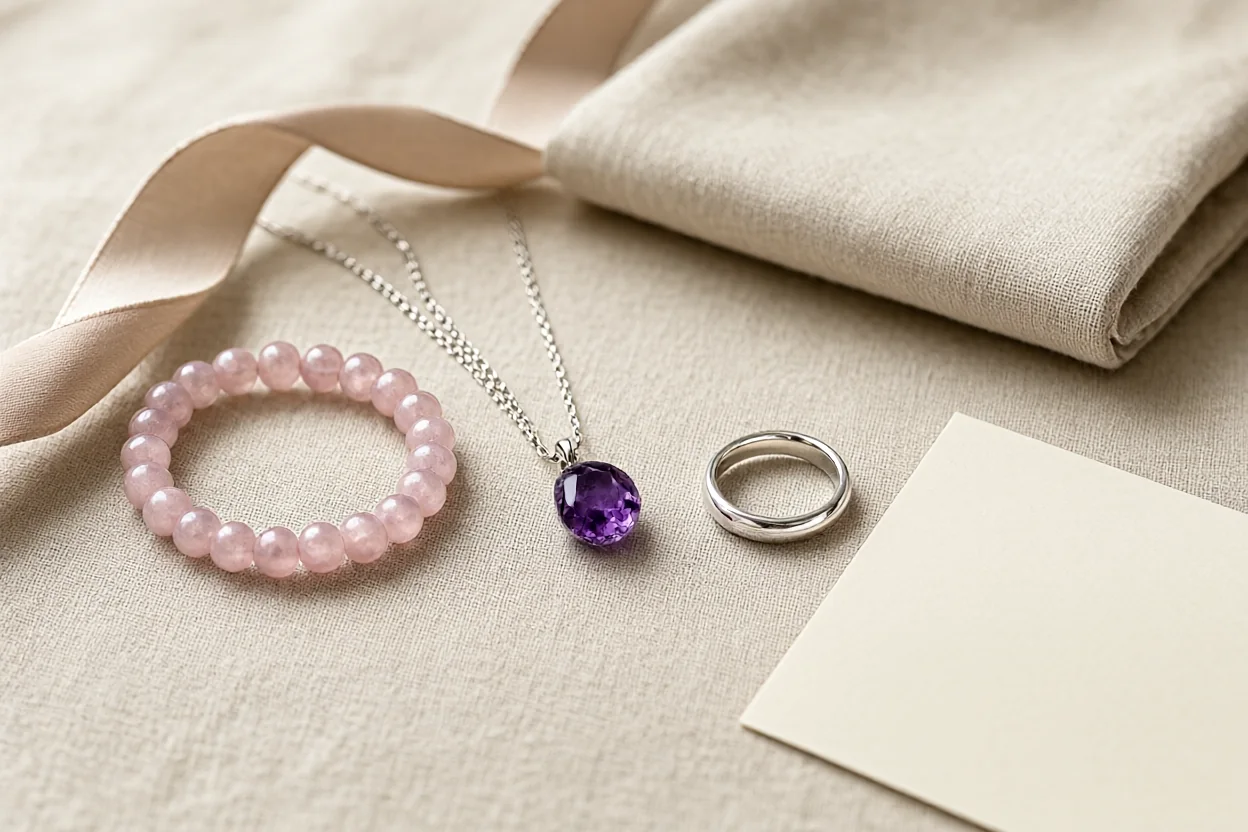
Quick answer: choose by symbolism, part, and wear routine
The easiest good-luck jewelry to wear is a small pendant or a single bracelet. A ring needs a reliable size and a setting that suits your hands; earrings need disclosed post and backing materials; an anklet or charm bracelet may suit a particular style but adds more snag and fit considerations.
Choose one focal stone or symbol, decide which jewelry form will actually be worn, and then check the construction. A jade pendant, citrine bracelet, tiger's eye ring, red cord, and evil-eye charm can all carry a personal story, but the useful buying questions remain material, treatment, fit, and care.
What does "luck" mean in jewelry?
In jewelry, luck usually works on three levels:
- Cultural symbol: jade, red thread, evil-eye charms, coins, and other motifs carry meanings within specific traditions and families.
- Personal reminder: a piece can mark a new job, an exam, a journey, a birthday, or a promise you want to remember.
- Style signal: color, metal, scale, and texture tell other people something about the way you dress before they know the story.
None of those layers proves that a stone changes luck, income, health, or another person's behavior. The honest version is more useful: choose symbolism that helps you feel grounded, then buy a piece that is comfortable enough to wear and well enough made to keep.
Be cautious with fear-based selling. If a seller says you are missing an element, fated to have bad luck, or required to buy a particular "energy grade," treat that as a sales claim rather than a diagnosis.
The parts of a lucky jewelry piece
A lucky bracelet, necklace, ring, or earring is a whole object, not only a stone. Each part affects meaning, comfort, durability, and what you should ask the seller.
| Part | What it contributes | What to check |
|---|---|---|
| Focal stone or bead | Color, symbolic association, visual focus, and the main material claim | Exact stone or material; natural, treated, synthetic, imitation, or assembled; hardness and care |
| Metal or base | Skin contact, color, weight, durability, and budget | Solid gold, sterling silver, gold filled, vermeil, plated metal, titanium, or another disclosed material |
| Setting | Holds the stone and changes how exposed it is to knocks | Bezel or prongs; loose stones; sharp edges; snag risk; repair access |
| Chain, cord, or elastic | Determines fit, movement, comfort, and a large part of the piece's lifespan | Chain strength and length; cord material; elastic condition; knots; whether it can be repaired |
| Clasp or closure | Keeps the piece attached and can be the first part to fail | Spring ring, lobster claw, hook, screw closure, adjustable knot, or elastic loop; ease of use and security |
| Charms and spacers | Add symbols, color, rhythm, or a personal narrative | Sharp edges; rubbing against beads; extra weight; plating; whether the charm is fixed or removable |
| Size and fit | Determines whether the piece becomes a daily habit or stays in a drawer | Wrist range, chain length, ring size, earring weight, anklet adjustment, and room for movement |
| Finish or plating | Creates the visible color and may carry a meaning such as gold for prosperity | Whether the finish is solid, plated, oxidized, coated, or painted; care limits and wear pattern |
This is where many "lucky" purchases go wrong. The stone may carry the story, but the elastic, clasp, post, or plating often determines whether the piece survives daily wear. For bead-specific construction checks, see the crystal bracelet guide.
Good luck stones and symbols: what they are traditionally associated with
The table below describes cultural and popular associations. It does not rank stones by magical power, and it does not promise that a stone will produce an outcome.
| Stone or symbol | Traditional association | Style direction | Buying and care check |
|---|---|---|---|
| Citrine | Warmth, sunlight, optimism, and prosperity in some crystal and gift traditions | Gold, cream, camel, denim, and amber tones | Yellow-orange quartz can be heat-treated; ask about color and treatment. See citrine vs topaz. |
| Jade | Good fortune, harmony, virtue, and protection in various East Asian traditions; meanings vary by culture and family | Black, ivory, deep green, earth tones, and simple metal settings | Jadeite and nephrite are different materials; dye, bleaching, polymer impregnation, and coatings need disclosure. Browse the jade and ornamental stone guides. |
| Green aventurine | Opportunity, growth, and calm confidence in modern crystal culture | Soft green with white linen, denim, or silver | Confirm the material rather than relying on a color name; inspect for coatings, fractures, and rough drill holes. |
| Tiger's eye | Courage, grounding, and protective symbolism in folklore | Olive, brown, black, camel, and brass | Its directional flash changes with the light and cut. Check surface condition, orientation, and setting protection. |
| Pyrite | Abundance, resolve, and protection in some crystal traditions | Charcoal, cream, black, and mixed metal | Metallic-looking material can oxidize or dull; keep it away from prolonged water and harsh cleaners unless the seller confirms otherwise. |
| Red string | Protection, connection, or good fortune in several folk traditions; the specific meaning depends on the culture and wearer | Minimal everyday wear, often beside one metal bracelet | Ask about cord material, dye, knot construction, adjustability, and whether it can be replaced. |
| Evil-eye charm | A protective motif associated with guarding against envy or misfortune in some Mediterranean and West Asian traditions | Small blue-glass charm, one focal point, simple gold or silver | Blue glass is a popular form, not a universal rule. Check the charm material, attachment, sharp edges, and cultural context before treating it as a personal symbol. |
If you want a broader cultural index rather than a shopping list, start with gemstone meanings by intention. For care by material, use the crystal jewelry cleaning guide and hardness and toughness guide.
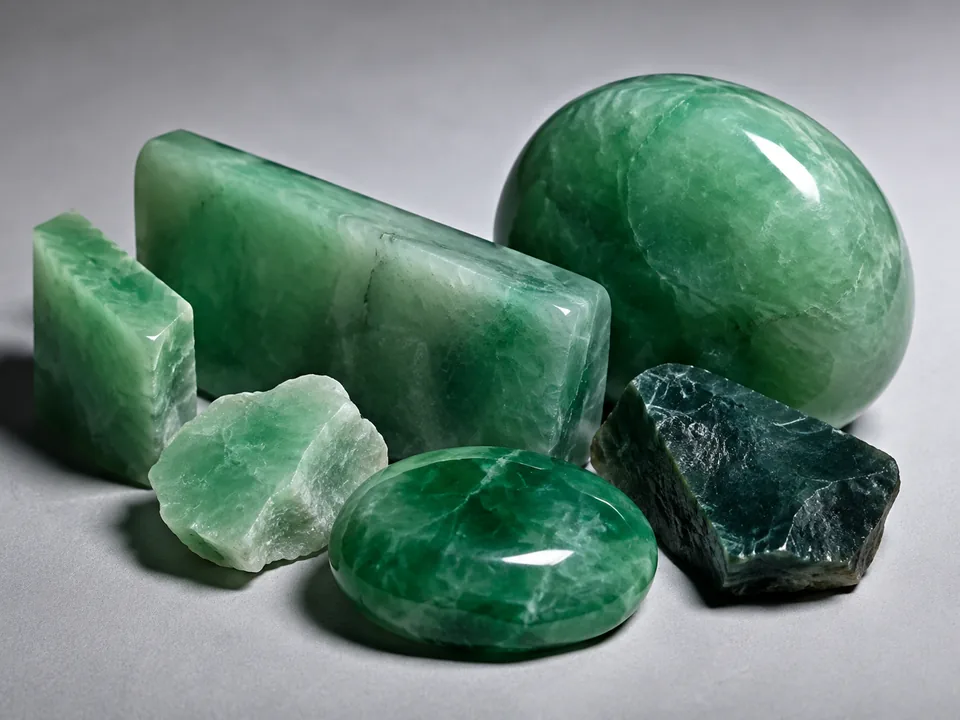
Fortune by jewelry type: bracelet, pendant, ring, earrings, anklet, charm
The same stone can feel different depending on where it sits. The best choice is the form you will actually wear, not the one that sounds most mystical online.
| Jewelry type | Symbolic role people often choose | Practical strength | What to watch |
|---|---|---|---|
| Bracelet | A visible daily reminder; left/right wrist folklore is common | Easy to see and style; beads can carry color and texture | Wrist fit, elastic or cord wear, stacking friction, repeated desk contact |
| Pendant or necklace | An intention kept close to the heart or worn under clothing | Less size risk than a ring; easy gift choice | Chain length, clasp security, pendant weight, neckline proportion |
| Ring | A personal commitment, milestone, or visible talisman | Always in view; strong personal association | Correct size, prong or bezel protection, handwashing, impact, repair |
| Earrings | Confidence, visibility, or a daily "put-together" cue | Frames the face without occupying the hands | Post and backing metal, weight, secure closure, known sensitivity |
| Anklet | Movement, travel, or personal symbolism in some traditions | Casual and visually distinctive | Length, clasp, shoe and sock friction, workplace appropriateness, cultural context |
| Charm | A specific wish, memory, milestone, or collectible story | Can be added gradually and personalized | Attachment security, sharp edges, weight, plating, friction against other pieces |
The left-versus-right wrist idea belongs to specific crystal traditions rather than mineral science. If that symbolism matters to you, read the wrist-folklore guide; otherwise let comfort and activity decide.
Outfit ideas for good luck jewelry
Keep one piece as the focal point. The goal is to make the symbolism wearable, not to turn the outfit into a display of every lucky object you own.
| Look | Jewelry combination | Why it works |
|---|---|---|
| Warm minimal | Citrine pendant or small bead bracelet with cream, camel, denim, and gold | The yellow-orange color adds warmth without competing with the outfit |
| Quiet East Asian influence | Jade pendant with black, ivory, or deep green; one simple metal tone | The stone stays the focal point and the palette feels deliberate |
| Autumn grounding | Tiger's eye ring or bracelet with olive, brown, black, and brass | The chatoyant band echoes the warm, textured palette |
| Modern contrast | Pyrite bead bracelet with charcoal, white, and mixed metal | A small metallic accent adds interest without a full statement set |
| Everyday talisman | Red string or small evil-eye charm with a white tee, knit, or simple shirt | One recognizable symbol reads as personal rather than costume-like |
| Soft office polish | Small jade or citrine studs, or a fine pendant with a simple watch | Low-profile pieces stay comfortable at a desk and remain easy to care for |
For metal-by-metal guidance, see gold plated, gold filled, and vermeil and the sensitive-ear materials guide. A "lucky" label does not make an unknown metal safe for every wearer.
How to stack lucky jewelry without creating friction
- Choose one focal piece. A jade pendant, citrine bracelet, or evil-eye charm should not all compete at the same scale.
- Limit the wrist stack. Two or three pieces are usually enough; more weight and movement increase collisions and elastic wear.
- Separate hard and soft materials. Metal charms, faceted stones, and rough beads can abrade cord or softer stones.
- Respect the neckline. A short pendant sits differently from a long chain; check the chain length against the shirt or dress you plan to wear.
- Use one symbolic language. A red string plus a jade pendant can work; a red string, three evil eyes, five charms, and a heavy coin bracelet usually reads as noise.
For bracelet-specific fit and construction, use the crystal bracelet guide or the existing rose quartz bracelet guide.
Five Elements and zodiac: a cultural lens, not a diagnosis
Some East Asian traditions connect colors, gemstones, directions, and zodiac signs through systems such as the Five Elements. Those systems are not uniform: teachers, regions, families, and contemporary sellers may use different correspondences.
Use them as a cultural lens if they are meaningful to you. Do not let a seller diagnose you as "missing" an element, tell you that a piece is the only way to avoid misfortune, or present a chart as a scientific test. The useful question is whether the story helps you choose a piece you will wear and care for, not whether it scares you into buying.
For color-based browsing, try the gemstone color library; for zodiac traditions, use the zodiac index. Both are cultural references, not outcome forecasts.
Buying checklist for good luck jewelry
- Name the stone or symbol. "Lucky stone" is not a material description; ask for the exact mineral, glass, resin, or charm material.
- Ask about treatment and assembly. Dye, heat, coating, filling, reconstitution, and glue can affect care and value.
- Check the jewelry part you will actually wear. A pendant needs a secure chain and clasp; a bracelet needs the right wrist range and stringing; a ring needs the correct size.
- Inspect the setting or attachment. Charms, prongs, and spacers can catch on clothing or scratch neighboring pieces.
- Confirm the metal. Ask about the base metal, plating, posts, clasps, and any parts touching the skin.
- Read the care and return terms. A symbolic piece still needs a realistic replacement and repair path.
- Reject guaranteed outcomes. No bracelet can guarantee wealth, exam success, travel safety, health, or another person's feelings.
For general care, remove jewelry before showers, swimming, exercise, household cleaning, and heavy hand work. Wipe it with a soft dry cloth, dry any moisture promptly, and store pieces separately. The right method still depends on the stone, treatment, metal, cord, and construction. See how to clean crystal jewelry safely.
Good luck jewelry as a gift
A lucky piece is often given for a new job, graduation, exam, move, travel, birthday, or a fresh start. The meaning works best when the note is specific: "for your next chapter," "for the trip," or "because this color suits you." Avoid implying that the gift controls the result.
Use the Gemstone Gift Finder to narrow by recipient and occasion, then verify the exact stone, metal, fit, and return terms. If the recipient has sensitive ears or a busy daily routine, start with the jewelry form that is easiest for them to wear rather than the most elaborate symbol.
Frequently asked questions
What is the luckiest gemstone?
There is no universally luckiest stone. Jade, citrine, tiger's eye, aventurine, pyrite, and other materials carry different associations in different cultures and crystal traditions. Choose by the story you want, then verify the material and care.
Which jewelry type is best for good luck?
A small pendant or bracelet is usually easiest to wear and gift. A ring needs a reliable size and more protection; earrings depend on metal sensitivity and weight; an anklet or charm bracelet should fit the wearer's routine and style.
Can I wear multiple lucky bracelets together?
Yes, if the fit is comfortable and the pieces do not repeatedly collide. Two or three bracelets are a practical starting point. Check elastic, clasps, sharp charms, and whether the total weight pulls on the wrist.
Does an evil-eye bracelet have to be blue?
No. Blue glass is a popular modern form, but the protective-eye motif appears in multiple colors and cultural traditions. Treat the specific meaning as cultural context rather than a universal rule.
Is all jade untreated?
No. Jadeite and nephrite can be treated, coated, dyed, or imitated, and the terms describe different materials. Ask for the exact material and treatment disclosure, especially when the price depends on a rarity claim.
Do good luck jewelry pieces really work?
They can be meaningful as cultural symbols, personal reminders, or gifts, but there is no established scientific evidence that a piece guarantees luck, protection, money, health, or relationship outcomes. Choose it because you value the story and can wear it comfortably.
Choose the symbol around the person and the outfit.
Start with the recipient's color, jewelry habits, and daily routine, then verify the stone, metal, fit, and construction before buying.
Open the Gemstone Gift FinderMaterial references: GIA: Jade, GIA: Citrine Care and Cleaning, and GIA: Gem Treatment. Cultural references for the evil-eye motif include Britannica: Evil Eye. This guide does not identify, authenticate, appraise, or guarantee the performance of a specific piece. Last reviewed: .